
The Wary Style at Work
Some people walk into a meeting and notice who is sitting next to whom, who has stopped talking, and which item has been moved to the bottom of the agenda. When the leadership team unveils an exciting new plan, their first question is what nobody is saying about it. That is the Wary personality style.
Wary is one of the 11 Dark Side Personality Styles. Each describes a familiar way of handling people and pressure that can work well in the right setting and badly in the wrong one, especially when stress is high. It is a style, not a diagnosis. Most people who score highly on Wary are simply more vigilant than average, and in plenty of jobs that is exactly what is needed.
What it looks like at work
People with a Wary style are alert to threats and to other people's intentions. They pay close attention to their surroundings and to how others see them, and they spend a good deal of time thinking through their interactions, often after the event. They pick up subtleties in conversation and body language that others miss: the pause before an answer, the change of tone, the person copied into an email for no obvious reason.
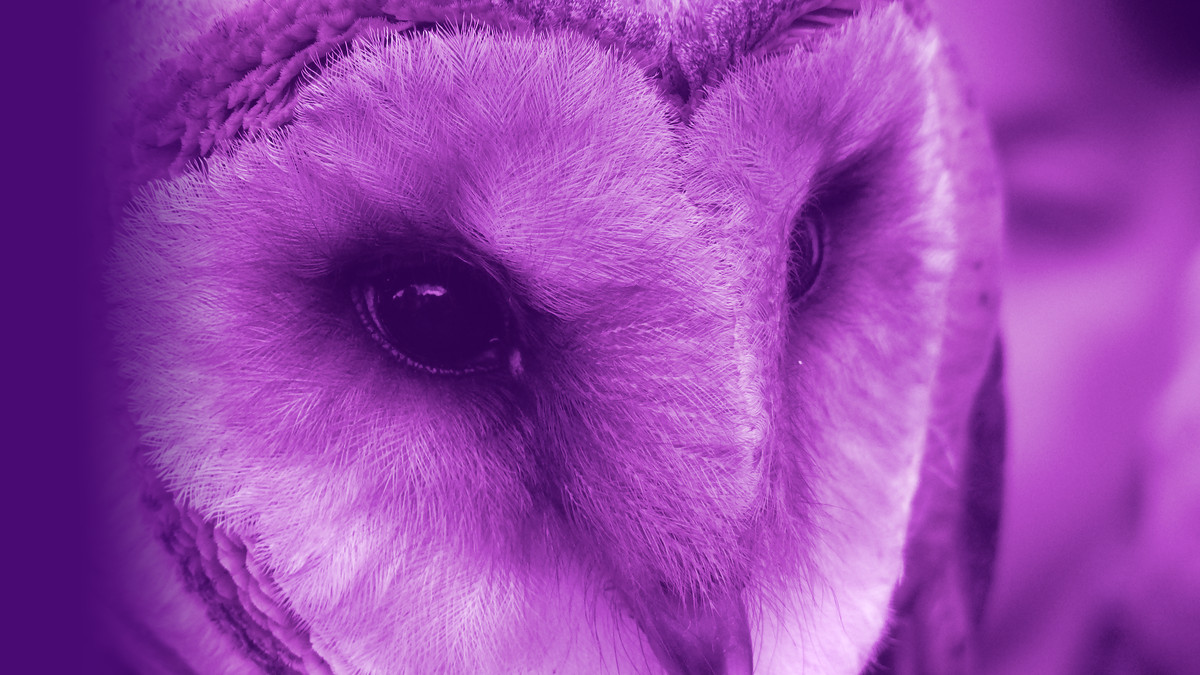
Modified from a photo by Ślimaczek, Wikimedia Commons, CC BY-SA 4.0
For them, trust is valuable and scarce. It is not handed out at a first meeting; it is earned slowly, through repeated and consistent contact. That caution is self-protective rather than hostile. They are not looking for a fight. They would simply rather not be caught out.
They also tend to be suspicious of optimism. A colleague who says everything is on track, every week, is more likely to raise their suspicions than to reassure them. They would rather hear the bad news early, with the evidence, and plan for it.
Where it fits
Plenty of careers would be worse off if everyone took people at their word. Auditors, compliance teams, security specialists, quality controllers and risk managers spend their working day looking for the weak point. In those jobs, a habit of expecting trouble is not a flaw to be coached out; it is the skill being paid for.
Wary people tend to spot obstacles before they arrive, including risks that their more optimistic colleagues have not even considered, and they are usually observant, detail-oriented, self-sufficient and personally resilient. Once they trust the person giving it, they can also handle critical feedback well. Knowing where the problems are is far less uncomfortable for them than being surprised by them later.
In a team, the Wary style works best as an early-warning system. It is not the most popular job. Asking who has actually read the contract, while everyone else is congratulating each other on signing it, rarely wins friends. Occasionally it saves the deal.
Where it causes trouble
The problems start when people over-apply the strategy, and the vigilance that is so useful for spotting weaknesses in a process gets turned on the people around them.
For yourself. Under stress, caution can harden into suspicion. Ambiguous events start to look like threats, criticism lands hard, and feedback sounds like evidence of hidden motives. Wary people may withdraw and keep information to themselves, which tends to raise their stress further. Once they have dug in, any new information that does not confirm their suspicions is easy to dismiss.
For colleagues. Working relationships are slow to build, and how well a Wary person performs often rests on how good those relationships are. They can be cautious about sharing information and defensive as direct reports. Colleagues read this as distrust and become more guarded in return, which the Wary person then reads as confirmation. It is a remarkably efficient way of proving yourself right.
As a manager. Wary managers often struggle to delegate. They can become over-involved, checking and re-checking work, and keen on surveillance: extra reporting, extra approvals, extra monitoring. A team that feels watched rarely volunteers bad news, which deprives the manager of exactly the information they want most.
Keeping caution useful
- Point your scrutiny at the work, not the person. Be as demanding as you like about evidence, plans and processes. Treat a concern about a colleague as a hypothesis until there is clear evidence for it.
- Separate what you observed from what you inferred. "She didn't reply to my email" is an observation. "She is freezing me out" is an inference. Ask which one you actually have evidence for.
- Prioritise your warnings. If everything is flagged as a risk, nothing is. Raise the issues that matter most, and say what has gone well too.
- Build a few trusted relationships on purpose. Wary people tend to work best with a small number of people they trust. Waiting for that trust to appear on its own can take a very long time.
- For managers: listen to the worry before responding to it, and weigh it on the evidence; ask them to spell out the specific risk; be straightforward about problems, because charm offensives backfire; deal with disagreements early, before they set; and put the person where a sceptical eye is part of the job.
Healthy scepticism is a skill. The trick is aiming it at the right target.
How Wary are you?
The free Dark Side test measures all 11 styles, including Wary, and gives you your report as soon as you finish.
This article draws on the book Dark Social: Understanding the Darker Side of Work, Personality and Social Media by Ian MacRae (Bloomsbury).
Related styles: Solitary and Unconventional. See all 11 styles on the Dark Side Personality Styles page.